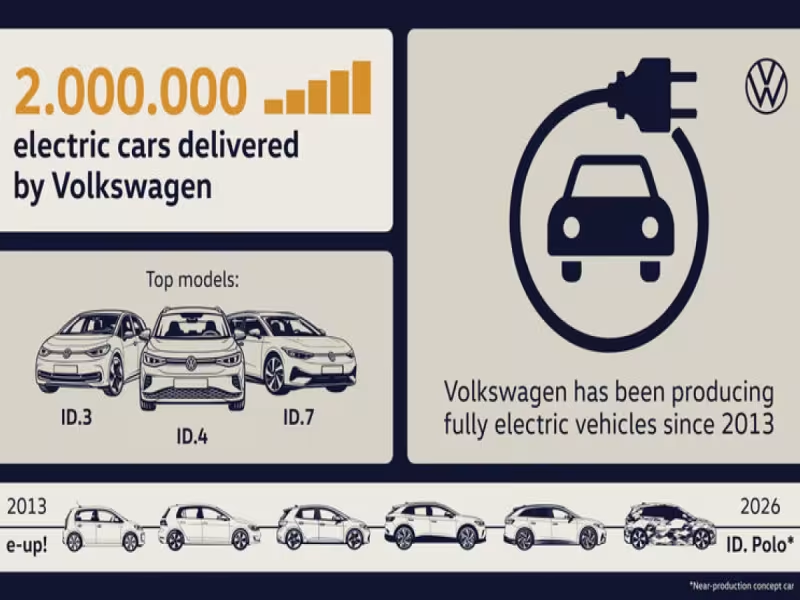
SHERIDAN, WYOMING – March 13, 2026 – Volkswagen says it has delivered its two millionth all-electric vehicle to a customer, marking a new milestone for one of the world’s biggest car brands. The update is aimed at anyone watching the growth of EVs in the mass market, especially buyers comparing how established automakers are scaling electric lineups. While the source material gives only limited detail beyond the milestone itself, the figure matters because it signals the size of Volkswagen’s battery-electric customer base. For consumers, that kind of volume can shape confidence around product availability, long-term support, and the broader shift toward electric driving.
What Volkswagen announced
The core news is straightforward: Volkswagen says the brand has now delivered two million all-electric vehicles to customers. That makes the milestone about customer deliveries rather than production, which is an important distinction for readers trying to understand whether the number reflects vehicles actually reaching drivers.
The source identifies this as a Volkswagen brand milestone, not a claim about the entire wider Volkswagen Group. That means readers should treat the announcement as applying to the Volkswagen passenger-car brand specifically, based on the wording provided in the source material.
Because the source excerpt is limited, it does not provide details such as the specific model involved, the customer location, or a breakdown by market. It also does not include new pricing, technology changes, or rollout plans tied to the announcement.
Why this matters to EV shoppers
For consumers, big delivery milestones can serve as a simple indicator of how far electric vehicles have moved into the mainstream. A two-million-delivery marker suggests that Volkswagen has built a substantial presence in the battery-electric market, at least at the brand level described in the source.
That can matter in practical ways. Shoppers often look for signs that an automaker is committed to EVs over the long term, since that can influence future service support, software updates, accessories, and the pace of new model development. A high delivery count does not answer every ownership question, but it can be one sign of market traction.
It may also matter to buyers who are still deciding between newer EV-only brands and traditional automakers with established dealer and service networks. Even without extra details in the source, the milestone reinforces that legacy carmakers remain major players in the electric transition.
What the source does and does not say
The source headline clearly states the milestone, but the excerpt provided here offers little supporting detail beyond that headline. As a result, there is no basis to add claims about regions, production sites, battery technology, range, incentives, or future targets.
Readers should also note that the announcement uses the phrase “all-electric vehicle,” which points to battery-electric vehicles rather than hybrids. The source does not expand on model names in the excerpt, so it is best read as a broad cumulative delivery figure covering Volkswagen’s electric lineup.
That limited sourcing means the milestone is newsworthy, but narrow. It tells readers Volkswagen says it has now reached a significant delivery number, while leaving many of the deeper consumer questions unanswered in the material available here.
Why this matters
If you are shopping for an EV, this kind of milestone is most useful as a market signal, not as a buying guide. It suggests electric vehicles are no longer a niche sideline for a major mainstream brand.
What it does not tell you is whether a specific Volkswagen EV is the right fit for your budget, charging needs, or driving habits. Buyers still need model-by-model details on price, range, charging speed, and ownership costs before making a decision.